

My journey to building freedom: part 3
Introduction
What first comes to mind when you think of your favourite brands – your local coffee shop, clothing label or lifestyle influencer? Chances are, it’s not just their products or service but how they make you feel. You connect with who they are and what they stand for – you develop a connection with this brand.
That’s the power of brand identity.
Your brand identity is the heart of your business. It’s not just a logo or colour scheme; it’s the story you tell and the impression you leave behind. Building a strong brand identity helps you stand out, build trust, and connect with your audience.
In this guide, we’ll break down what brand identity means, why it matters, and how you can start building one that shines.
Understanding Brand Identity vs Brand Image
Many people use brand identity and brand image interchangeably, but they’re not the same.
- Brand identity is what you create. It’s intentional; the visuals, words, and values you choose to represent your brand. Think of it as the blueprint you design to show the world who you are.
- Brand image is how others perceive your brand. It’s the result of your actions, consistency, and the experiences customers have with you.
For example, you may design your brand identity to feel “friendly and approachable.” But if your emails sound stiff and your website feels cold, your brand image won’t match your intended identity.
That’s why clarity and consistency are key, because your identity is the foundation that shapes perception.

Step 1: Define Your Core Purpose
Before diving into colours, fonts, and logos, you need to define your “why.” Your purpose is the backbone of your brand identity. It helps guide decisions, fuels storytelling, and sets you apart from competitors.
Ask yourself:
- What problem am I solving?
- Why do I exist beyond making money?
- What values matter most to me and my audience?
These answers shape your:
- Mission statement – what you do, who you serve, and how you deliver value.
- Vision statement – your bigger picture goal for the future.
- Core values – the principles you stand by in every decision.
For example, these are my mission and vision statements, and my core values for my blog You Deserve to Shine:
Mission Statement
To create a gentle, uplifting space that empowers introverts and quiet creatives to build self-confidence, embrace authenticity, and discover their inner shine through supportive resources, personal stories, and inspiring content.
Vision Statement
A world where every gentle soul feels seen, valued, and confident to live unapologetically, free from external pressures and full of self-belief. You Deserve to Shine aims to be a guiding light – a trusted hub for encouragement, growth, and authentic connection.
Core Values
- Authenticity – We celebrate being real and imperfect, encouraging others to embrace their true selves.
- Gentleness – Growth doesn’t have to be loud or forceful; it can be soft, kind, and steady.
- Encouragement – Content is designed to uplift, inspire, and support our readers’ journeys.
- Creativity – We use thoughtful design, storytelling, and tools to inspire self-expression.
- Community – We aim to build a safe, inclusive space where readers feel connected and not alone.
- Empowerment – We encourage readers to shine in their own way, with confidence and courage.
Step 2: Know Your Audience
Understanding your audience will help craft your posts and brand identity. It can be part of your checklist when drafting a post. Is this relatable, and am I solving one of their problems? If you’re creating posts with your audience in mind, you can make real connections.
Start by asking:
- Who do I want to reach?
- What do they care about?
- What challenges do they face?
- What styles, platforms, and words resonate with them?
Building customer personas can help. Create a profile of your ideal customer with details like age, lifestyle, goals, and frustrations.
For example, if your audience is introverts seeking self-confidence, your brand identity might lean toward soft colours, calming fonts, and a warm, encouraging voice. If you’re targeting young professionals who want productivity tools, your design may be bolder, sharper, and more energetic.
When you know your audience well, your brand identity becomes a magnet – attracting the right people while naturally filtering out those who aren’t a fit.
Step 3: Develop Your Brand Personality
If your brand were a person, how would they act?
Brand personality is the human side of your brand. It shapes your tone of voice, communication style, and emotional connection.
A few personality spectrums to think about:
- Playful vs. Serious
- Formal vs. Casual
- Luxury vs. Accessible
- Bold vs. Gentle
Decide where your brand falls. Then translate that into:
- Tone of voice: Is your messaging supportive, witty, authoritative, or conversational?
- Key phrases: Are there words or taglines that consistently reflect your values?
- Content style: Do you lean on storytelling, quick tips, or inspirational quotes?
Example: A skincare brand with a playful personality might use quirky phrases like “glow getter.” Meanwhile, a financial advisor brand with a serious personality might focus on clear, factual language to build authority.
Consistency is everything – your personality should shine through in blog posts, emails, customer service, and packaging.
Step 4: Design the Visual Identity
Now comes the fun part – visual branding. This is where your ideas become something tangible that your audience can see and recognise instantly.
The key elements are:
- Logo – The face of your brand. Keep it simple, memorable, and versatile across platforms.
- Typography – Choose fonts that reflect your personality (e.g., serif fonts for professionalism, script fonts for elegance, sans serif fonts for modern minimalism).
- Colour palette – Colours evoke emotion. For example:
- Blue = trust, calm, reliability
- Pink = warmth, compassion, creativity
- Green = growth, sustainability, balance
- Imagery & graphics – Photos, illustrations, and icons should all align with your tone (e.g., pastel illustrations for a soft brand vs. bold lifestyle photography for a dynamic brand).
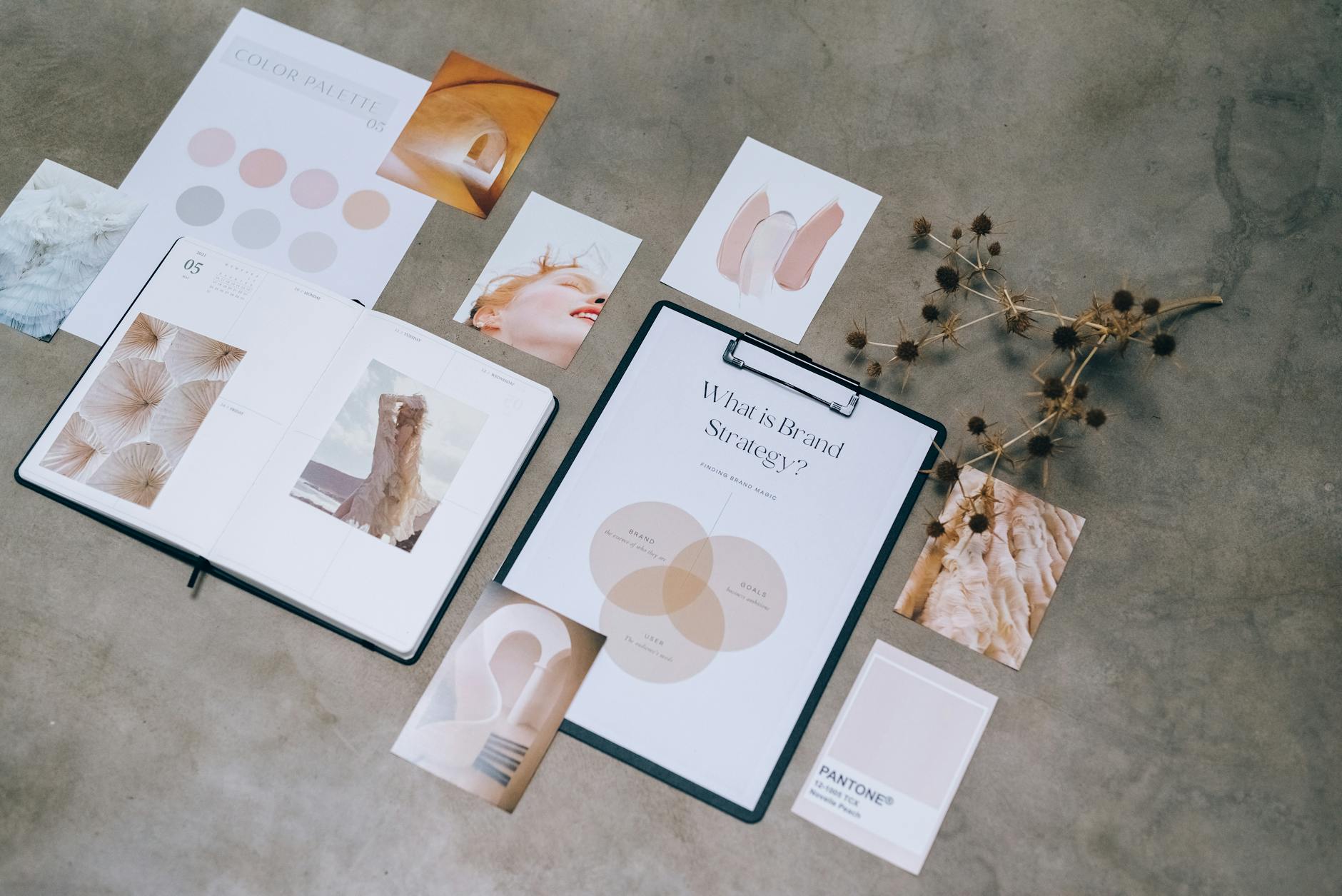
Pro tip: Create a mood board to visualise your brand before finalising choices. Pinterest is great for pulling together inspiration.
Step 5: Create Consistency Across Touchpoints
A beautiful brand identity only works if it’s used consistently.
That means applying your chosen visuals, tone, and messaging across every platform where people interact with you:
- Website & blog – layout, fonts, imagery, tone of copy
- Social media – post design, captions, hashtags, profile bio
- Emails – tone of writing, graphics, signature style
- Packaging & products – labels, templates, inserts
- Customer experience – how you answer inquiries, respond to feedback, and deliver services
To keep everything aligned, consider creating a brand style guide. This document outlines your logo usage, colours, fonts, and tone of voice so anyone working with your brand can stay consistent.
Here is a great article by Caitlin Jordan on how to create a brand guideline:
https://www.canva.com/learn/your-brand-needs-a-visual-style-guide/
Step 6: Build Trust Through Authenticity
Today’s audiences crave connection. They don’t just want polished visuals—they want honesty and authenticity.
Ways to build trust:
- Share your story. Let people know why you started and what drives you.
- Be transparent. Own mistakes and show the real behind-the-scenes when it makes sense.
- Deliver on promises. A great brand identity will attract people, but consistent follow-through keeps them.
Authenticity makes your brand memorable. People may forget a tagline, but they’ll never forget how your brand made them feel.
Step 7: Evolution
Your brand identity isn’t set in stone. Gosh knows how many times I’ve pivoted! As your business grows, your audience changes, or your industry shifts, you may need to evolve.
Signs it’s time to refresh or rebrand:
- Your visuals feel outdated or no longer reflect your direction.
- Your audience has changed.
- You’ve expanded your offerings or moved into new markets.
- Competitors are blending in, and you need to stand out again.
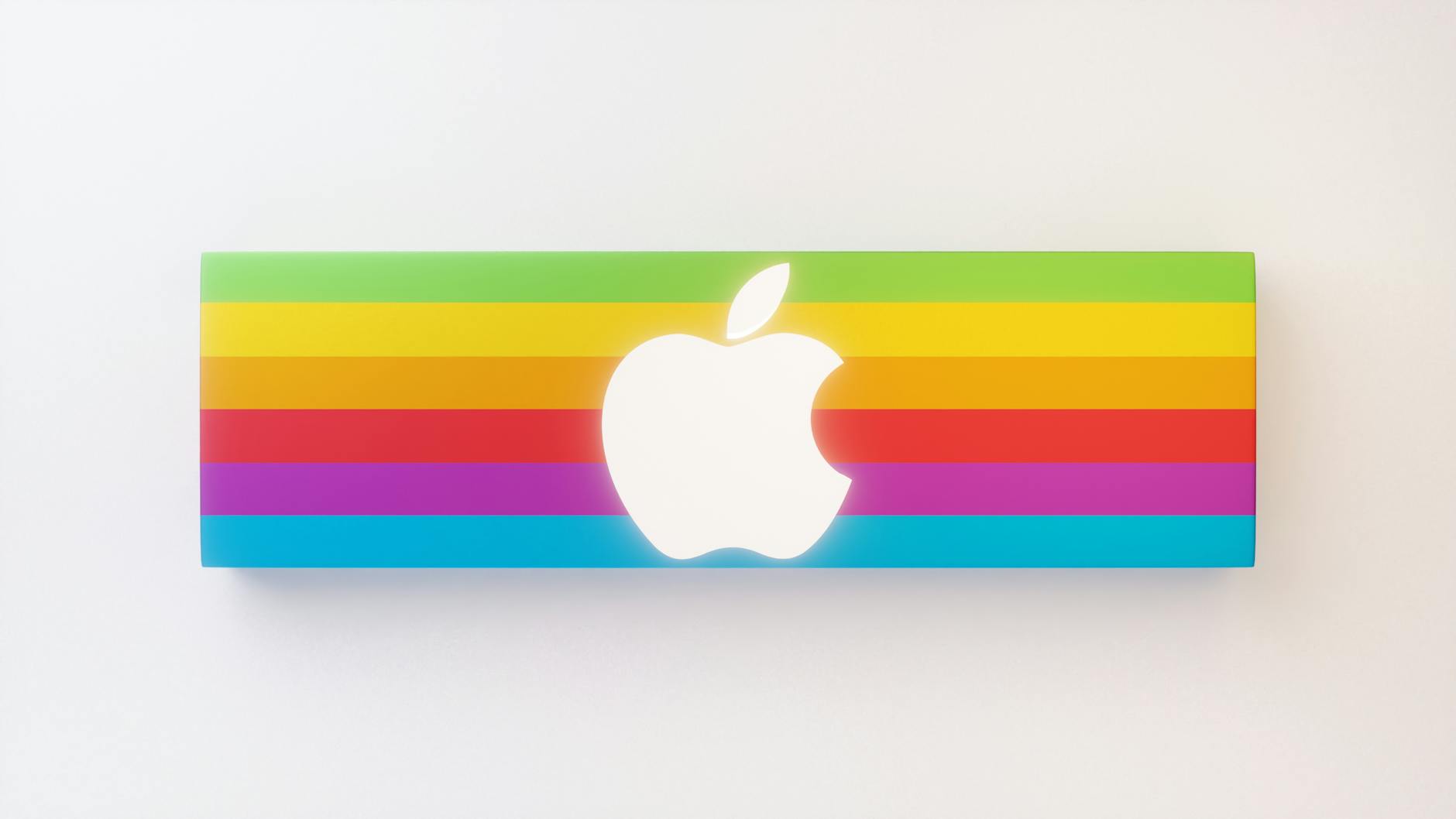
Rebranding doesn’t always mean starting from scratch. Sometimes it’s just updating your logo, expanding your colour palette, or refining your messaging. The key is keeping your identity aligned with your current goals while remaining recognisable.
So many brands have evolved over time to stay modern such as McDonald’s, Apple, Google and even Instagram!
Conclusion
Creating a brand identity is more than a design exercise—crafting an experience, a personality, and a promise that connects with your audience.
Here’s a quick recap of the steps:
- Define your core purpose (mission, vision, values).
- Know your audience deeply.
- Develop a brand personality that reflects your values.
- Design your visual identity (logo, colours, typography).
- Keep it consistent across all touchpoints.
- Build trust through authenticity.
- Let your identity evolve.
Remember: You don’t need to have every detail perfect on day one. Start small, stay consistent, and refine as you grow. Your brand identity is a living, breathing part of your business, and when it’s done well, it becomes the reason people remember you, trust you, and keep coming back.
Your brand is your story. Own it, share it, and let it shine.
If you found this helpful, please share or let me know in the comment section below!
Keep shining,
Madeline

 youdeservetoshine.blog